
Explore the Cultural Wonders of Uganda
Uganda, often called the “Pearl of Africa,” is famous for its lush landscapes, wildlife, and stunning lakes. However, beyond its natural beauty lies a vibrant cultural heritage waiting to be explored. With more than 50 ethnic groups, diverse languages, and centuries-old traditions, Uganda offers visitors a unique cultural experience that blends history, community, music, food, and storytelling. Exploring Uganda’s cultural wonders allows travelers to connect with the people and traditions that define the country. From royal heritage sites to lively markets and traditional dances, Uganda is one of the most culturally rich destinations in East Africa
What are the key cultural landmarks in Uganda?
Most cultural journeys in Uganda begin in the capital city, Kampala. This vibrant city combines modern life with deep historical roots. Busy streets, colorful markets, and historic landmarks reflect the diverse identity of Uganda.
Kasubi Royal Tombs
One of the most significant cultural attractions in Kampala is the Kasubi Tombs, a UNESCO World Heritage Site and the burial grounds for the four last Buganda kings. Built using traditional materials like reeds, wood, and thatch, the tombs represent remarkable indigenous architectural knowledge. Visiting this sacred site offers insight into the history of the Buganda Kingdom, one of Uganda’s most influential traditional monarchies.
Mmengo palace
Another key landmark is the Kabaka’s Palace at Mengo, which provides visitors with a deeper understanding of Buganda’s royal heritage, leadership systems, and historical events that shaped the kingdom. The palace being the official resident of the present kabaka of Uganda kingdom, it holds a lot of both cultural and political history right from the pre- colonial era to date. You can’t miss to see the Iddi Amin’s torture chambers that are inside the Mmengo palace.
Traditional kingdoms and cultural heritage in Uganda
Uganda recognizes several traditional kingdoms that continue to preserve cultural identity and heritage. Among these is the Tooro Kingdom in western Uganda, whose cultural center is located in Fort Portal.
Fort Portal itself is a charming town surrounded by tea plantations and scenic hills. Here, travelers can visit cultural centers to learn about traditional crafts, storytelling, and dance. These experiences allow visitors to witness how Ugandan traditions are passed down through generations.
The presence of these kingdoms highlights how culture and leadership remain important in Uganda’s modern society.
Traditional dance and music in Uganda
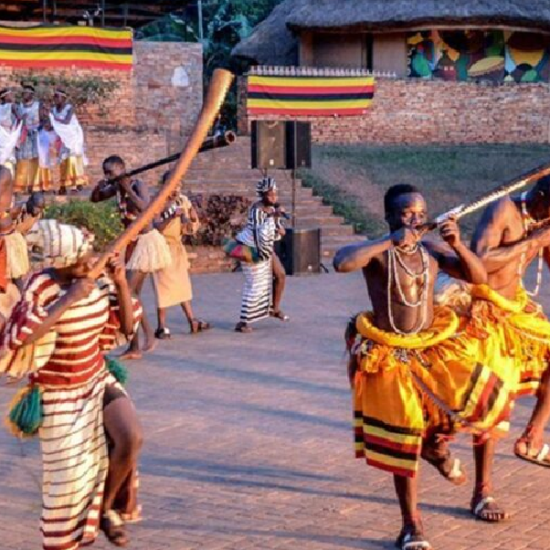
Music and dance are essential parts of Ugandan culture. Each ethnic group has its own style of dance, rhythm, and instruments.
One of the most famous dances is the Bakisimba dance from the central region, traditionally performed by the Baganda people during celebrations and royal ceremonies. The dance features rhythmic drumbeats and energetic waist movements that symbolize joy and celebration. In western Uganda, Banyankole cultural dances often imitate the graceful movements of Ankole cattle, reflecting the community’s pastoral traditions and pride in their livestock.
Traditional musical instruments such as the adungu (a harp), the amadinda (a wooden xylophone), and various drums are used in ceremonies and performances. These instruments create powerful rhythms that bring communities together during festivals and gatherings.
Participating in traditional food experience
Food is a central part of cultural life in Uganda. Most dishes are prepared using locally grown ingredients and traditional cooking methods.
One of the most popular Ugandan foods is matooke, a dish made from steamed green bananas. It is typically served with groundnut sauce, beans, or meat stew. Another common staple is posho, a maize-based dish often eaten alongside vegetables or grilled meats.
While traveling through Uganda, you will likely encounter the famous street food known as the “Rolex.” This delicious snack consists of eggs and vegetables rolled inside a chapati and is widely enjoyed across the country. Sampling local dishes is one of the best ways to understand everyday life and traditions in Uganda.
Exploring local markets and handicrafts
Uganda’s markets are lively cultural hubs filled with color, energy, and creativity. Visiting a market offers travelers a chance to interact with locals and discover traditional products.
Markets such as Owino Market in Kampala sell a wide range of goods, including fresh fruits, spices, clothing, and handmade crafts. One of the most recognizable cultural items is kitenge fabric, known for its bold African prints and vibrant colors. Kitenge is commonly used to create dresses, shirts, bags, and decorative items.
Visitors can also find beautifully crafted souvenirs such as woven baskets, wooden carvings, and beadwork made by skilled Ugandan artisans.
Storytelling traditions in Uganda
Storytelling has long been an important way of preserving history and cultural values in Uganda. Many communities pass down traditions, moral lessons, and legends through oral storytelling.
Gathering around a fire in rural villages to listen to elders share folktales is a memorable cultural experience. These stories often feature animals, heroic figures, and spiritual elements that teach lessons about wisdom, courage, and community.
Even today, storytelling remains a powerful tool for cultural preservation.
Cultural experiences with indigenous communities
For travelers seeking deeper cultural immersion, visiting indigenous communities provides meaningful insight into traditional lifestyles. In northeastern Uganda, the Karamojong people maintain a pastoral culture centered around cattle herding. Their unique clothing, beadwork, and customs reflect their strong cultural identity.
In southwestern Uganda, the Batwa community offers cultural tours that introduce visitors to their former forest-based lifestyle. Through music, dance, and demonstrations of traditional hunting techniques, the Batwa share stories about their deep connection with nature.
These community experiences promote cultural understanding and support local livelihoods.
Cultural festivals and celebrations in Uganda
Throughout the year, Uganda hosts numerous cultural festivals that celebrate music, dance, food, and traditions.
These festivals bring together communities from across the country and allow visitors to experience Uganda’s cultural diversity in one place. Colorful costumes, traditional performances, and lively celebrations create an unforgettable atmosphere.
Attending a cultural festival is one of the best ways to witness Uganda’s heritage in action.
Why cultural tourism in Uganda is unique
What makes Uganda truly special is the warmth and hospitality of its people. Visitors are often welcomed with smiles, conversations, and invitations to share meals or learn about local traditions.
This spirit of hospitality transforms travel into a deeper cultural exchange. Instead of simply observing, travelers become part of the experience. Uganda’s cultural richness is not confined to museums or heritage sites but it is alive in everyday life, from music and food to storytelling and community gatherings.
Exploring Uganda’s cultural wonders reveals a country rich in tradition, creativity, and human connection. From royal heritage sites in Kampala to traditional dances, local markets, and indigenous communities, every experience offers a deeper understanding of the nation’s identity.
For travelers seeking authentic cultural experiences in Africa, Uganda is an unforgettable destination. Its traditions, music, food, and welcoming communities create a vibrant tapestry that reflects the true spirit of the Pearl of Africa. Always book with Ganda Cultural Expeditions for the best cultural exploration.