Why Uganda is the Best Safari Destination in Africa?
Known as “the Pearl of Africa,” Uganda is in East Africa and draws a lot more tourists for genuine African safaris than other places because of its breathtaking beauty and varied landscapes. With attractions like the enchanted mountain gorillas, traditional savannahs, misty and snow-capped Rwenzori mountains, abundant wildlife, and stunning scenery, it provides distinctive adventure experiences.
With more than 50 ethnic groups, each with its own language and customs, the nation is a cultural melting pot. In addition to the exciting gorilla and chimpanzee trekking experiences, Uganda offers genuine wildlife safaris where visitors may witness a range of Africa’s most sought-after birds and animals, including the big five.
Why you should choose Uganda over other destinations:
Unforgettable Gorilla Trekking Experience
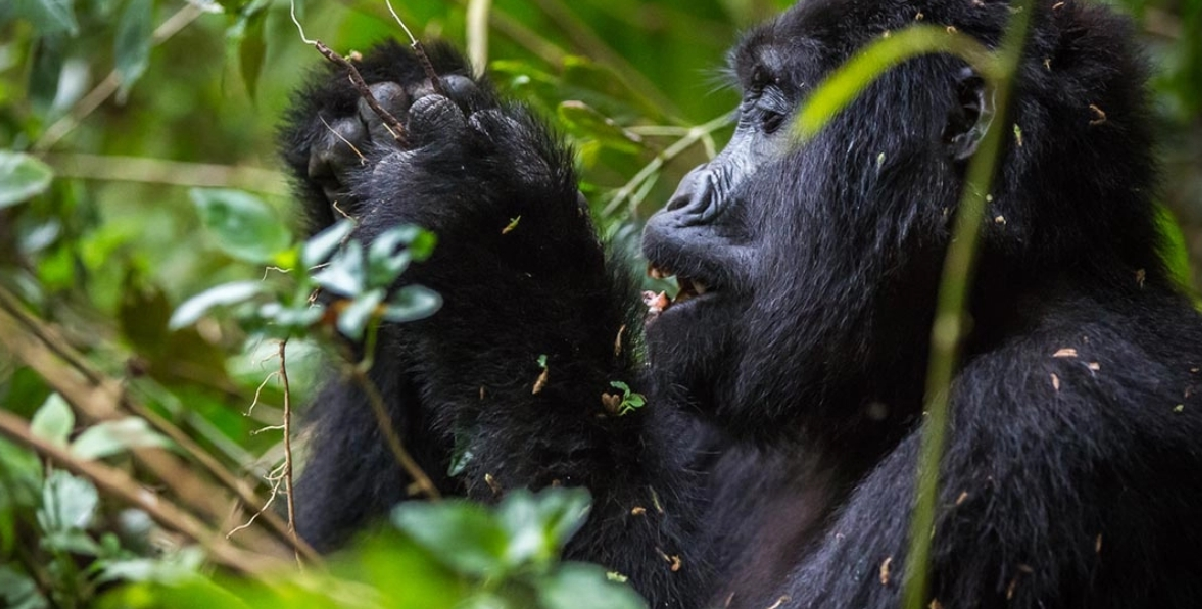
One of the few nations in the world where mountain gorillas can be found in their natural habitat is Uganda. More gorilla destinations are found there than anywhere else in Africa, including the misty jungle of Bwindi Impenetrable National Park and Mgahinga Gorilla National Park.
Rwanda and the Democratic Republic of the Congo are two other nations where mountain gorillas can be found, but Bwindi is the best place to see them because half of the surviving gorillas live there alone.
As a result, visitors who go through the thick jungles of Bwindi and Mgahinga have the opportunity to experience the enchantment of these gentle giants in their native environments.
Imagine, for example, spending hours hiking through thick, foggy jungles before suddenly spotting a silverback gorilla a short distance away. As a result, many tourists consider this to be a profoundly emotional once-in-a-lifetime event.
Diverse Wildlife Without Mass Tourism
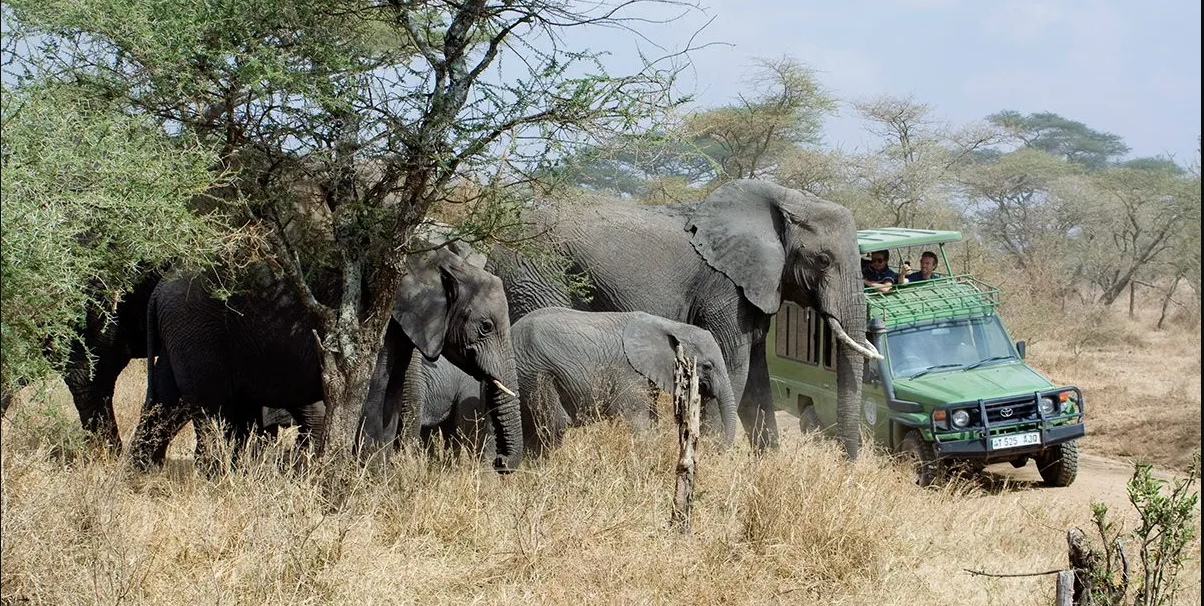
Uganda is a well-known travel destination that provides traditional African jungle experiences with amazing wildlife viewing, especially for the big five, without the need for mass tourists.
The savannah parks of Lake Mburo National Park, Kidepo Valley National Park, and Murchison Falls National Park are the locations of these game drive safaris. Because Ugandan parks are less congested than those in Kenya and Tanzania, where there are never-ending lines of safari vehicles, they provide more personal, unadulterated, and less commerncialized safari experiences.
Tree-climbing lions, giraffes, hippos, Nile crocodiles, topis, elands, Jackson hartebeest, leopards, buffalo, elephants, and other antelope species are among the other creatures to witness.
Home of primates
Compared to its neighbours, Kenya and Tanzania, Uganda has the largest population of primates, with over 13 species found in Kibale Forest National Park alone. Its traditional savannah makes it an ideal destination for wildlife safaris.
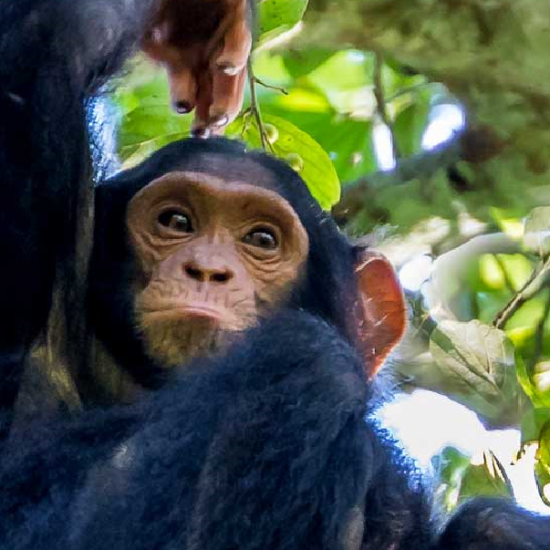
There are more over 5000 chimpanzees in the nation, including more than 1450 in Kibale Forest National Park. Furthermore, the nation is home to the greatest variety of monkeys, including olive baboons, colobus monkeys, apes, bush babies, pottos, vervet monkeys, long-tailed monkeys, and galagos, all of which may be found in the unspoiled ecosystem.
Thus, Uganda blends savannah grasslands for wildlife watching with tropical rainforests for primates like mountain gorillas, chimpanzees, and golden monkeys. This allows tourists to see monkeys in the afternoon session, track chimpanzees in the morning session, and go game viewing the next day a variety that few nations provide in such a short amount of time.
With more than 1450 members, Kibale National Park is home to the largest chimpanzee populations. However, the walk is not as well-known as the gorilla trek because it is difficult to find the chimps.
Even though they are not as accessible to tourists as gorillas, chimpanzees should nonetheless be on your agenda. These amazing creatures may be our closest living relatives as they have 99% of our DNA. Perhaps this massive population demonstrates that we are all descended from Africa.
Tree-Climbing Lions
One of the rare places in Africa where seeing lions climb trees is so thrilling and amazing is Uganda. Only the Ishasha area of Queen Elizabeth National Park in Uganda is home to these tree-climbing lions, which are uncommon in other nations. Additionally, this technique is observed in certain areas of South Africa’s Kruger National Park and Tanzania’s Lake Manyara.
Lions rarely engage in this behaviour, but they do so primarily to rest comfortably, avoid the savannah’s intense heat, strategically survey their prey, and prevent pest bites, particularly from flies and ticks.
Affordable Rates
Compared to its neighbours, Uganda offers more affordable safari experiences, making it one of the most popular travel destinations in Africa. Its reasonable prices for activities like gorilla trekking permits and lodging amenities in relation to the visitor experience serve as a clear example of this. Uganda and Rwanda are the two East African nations harbouring mountain gorillas; however, gorilla trekking licenses in Rwanda cost $1500 per person, while those in Uganda only cost $800.
This extends to lodging costs, where Uganda provides more reasonably priced lodging than Rwanda’s opulent lodging. Additionally, the government reduced the cost of a Uganda single entry tourist visa by 50%, from $100 to $50, making it more accessible and attracting more tourists, particularly those travelling for business, education, adventure travel, and research.
The majority of visitors from outside Africa require a visa in order to enter Uganda. For a single 90-day East African visa that permits numerous entry into East African nations, they can apply online, upon arrival, or at a local Ugandan embassy.
Unique cultural experiences
Over 50 tribes and nine indigenous communities that were acknowledged in the 2005 constitutional amendment are supported by Uganda’s rich cultural legacy. The tribes, including the well-known Karimajongs, Batwa, among others, have distinctive customs and dialects.
They differ in that Uganda’s cultural tourism is more genuine, providing intimate engagement through customary dances, coffee brewing, juice production, local cooking, and other activities. As a result, it is less contrived than other cultural locations.
Unique Ecosystem
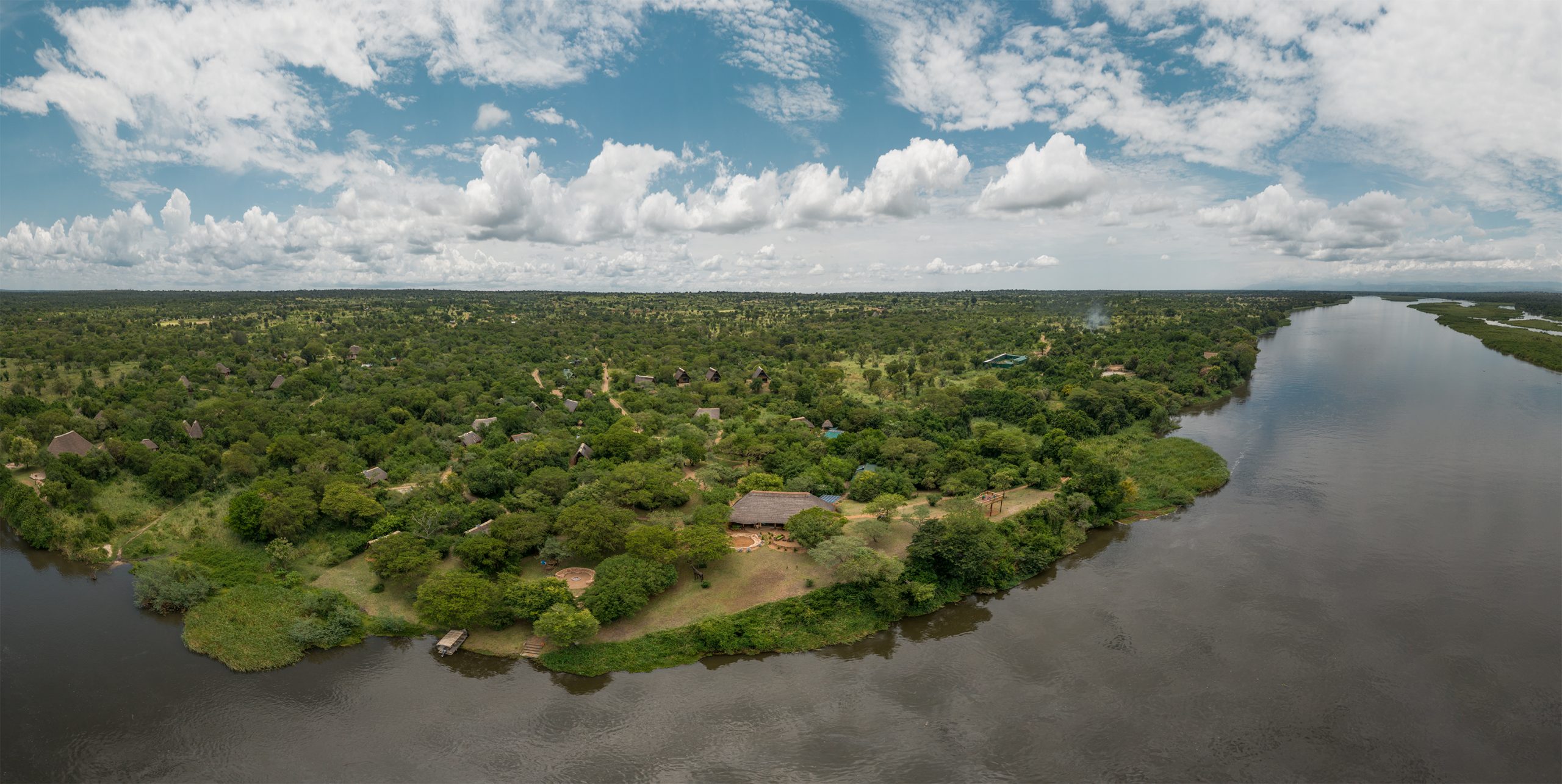
Uganda, the “Pearl of Africa,” is fortunate to have a distinctive environment that crams a variety of natural systems, including the Nile River’s source, into a very compact space. Dense rainforests like Bwindi, Mgahinga, and Kibale Forest support a variety of wildlife, including primates like gorillas and chimpanzees.
Others include savannah grasslands like Murchison Falls National Park, Kidepo Valley National Park, and Lake Mburo support game viewing; snow-capped mountains like Mount Elgon and the Rwenzori Mountains support hiking; and lakes and rivers like Lake Victoria and the Nile River support boat launches, sport fishing, photography, and sunset adventures. This is very different from other locations that focus primarily on one ecosystem such as Kenya, dominated by savannah.
One of the top birding destinations worldwide
Uganda’s unique and pristine nature that sustains birds makes it one of the world’s top birdwatching destinations with its different habitats. With more than 1031 bird species, the nation is home to 10% of all birds globally and 50% of all birds in Africa.
The near-threatened Shoebill Stork, Nuemann’s Warbler, Strange Weaver, Karamoja Apalis, and Great Blue Turaco are just a few of the famous bird species that can be seen. Diverse bird species, including forest, aquatic, savannah, migratory, and others, are supported by its rich biodiversity in a relatively limited area, comprising both protected and unprotected regions.
Hospitality
In addition to other travel places, Uganda is a top choice for welcoming tourists with sincere love, enthusiasm, and constancy. In terms of identity and humanity, visitors consistently praise the locals for being charming, helpful, and approachable.
This is due to the fact that people are more important to your safari than destinations in the tourist industry. This is demonstrated by the kind greetings, help, and candid sharing of experiences and cultures.
Sustainable Travel
The regeneration of communities and wildlife in Uganda is aided by tourism. This is demonstrated by the gorilla permits, where a specific percentage is utilised to both help local livelihoods and safeguard wildlife.
In order to reduce poaching and safeguard the ecosystems in nearly every protected area, anti-poaching patrols were implemented, especially in the primate and savannah parks of Bwindi Impenetrable National Park, Mgahinga National Park, Kibale, and Queen Elizabeth National Parks.
This is done to demonstrate that travel has a beneficial effect on the environment in addition to being enjoyable and entertaining. Even more, ex-poachers have received education and training to become park rangers, guides, conservationists, and change agents.
A True Underrated Travel Experience
In comparison to many other safari destinations, Uganda is a hidden gem, according to the wonderful comments and ratings left by numerous visitors. In fact, for many nature lovers and adventure seekers who have tested “the gem of Africa,” it feels like a personal, unadulterated marvel.
A nation endowed by nature with all the attractions, breathtaking scenery, a wide variety of fauna, and a lively culture, among other things, provides an amazing sense of exploration for the best and most genuine experiences.
Uganda is arguably the greatest place to go on a safari in Africa if you’re looking for genuine, ultimate travel experiences that include wildlife, culture, and adventure with less crowds and more reasonable prices.
The rare gorilla trekking, great value for money, amazing biodiversity (primates + Big Five), genuine cultural experiences, a variety of landscapes in a single trip, fewer crowds, and more intimacy with a strong conservation impact are therefore Uganda’s strong points that travelers should concentrate on when selecting it as a better destination than others. Book your next adventure with Ganda Cultural Expeditions,