
The True Wilderness of Kidepo Valley National Park
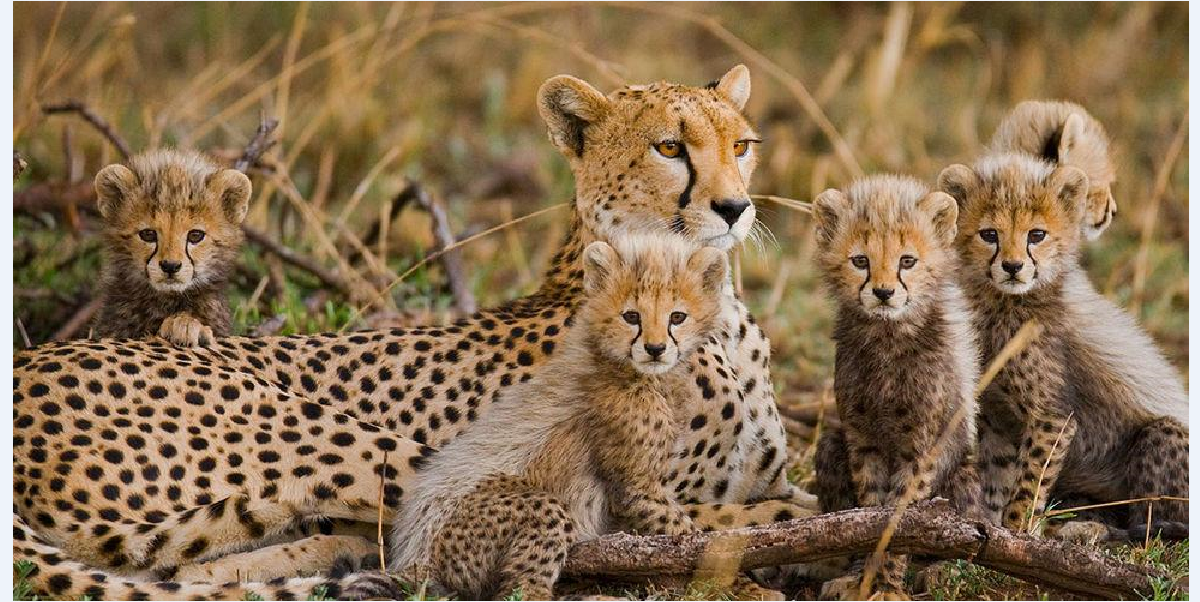
Kidepo Valley National Park is widely celebrated as one of Africa’s last true wildernesses and Uganda’s most stunning safari destination, with its vast savannas, rugged mountain ranges, and abundant wildlife, including lions, elephants, and rare species like the cheetah, ostrich, zebra, and many others. The vibrant and challenging lives of the resident Karamojong and IK people, and the feeling of isolation that pervades this remote corner of East Africa.
The park is located near Karenga in Kaabong District, in northeastern Uganda, bordering South Sudan to the north and Kenya to the east. A drive of over 510 km is covered from Kampala via the Gulu road, approximately taking 10-11 hours. Kidepo Valley National Park is about 1,442 square kilometers (557 sq. miles), making it the third largest national park in Uganda. It encompasses rugged savannah at the foothills of Mount Morungole and is divided by the Kidepo and Narus rivers.
The boundary in the northwest part of the park runs along the international frontier with Bira, South Sudan, and abuts its Kidepo Game Reserve. It was gazetted as a game reserve by the British colonial government in 1958, people were evicted, and the purpose was both to protect the animals from hunting and to prevent further clearing of bush for tsetse fly control by locals.
Most of the park is open tree savannah. Because of differences in rainfall, with annual averages of 89 cm in the Narus Valley and 64 cm in the Kidepo Valley, vegetation and animal populations vary between the two valleys, with the highest concentration of animals in the Narus Valley due to its relatively favorable climate that enables grazing of animals throughout the year, compared to the Kidepo Valley.
Why visit Kidepo Valley National Park:
Various attractions are attached to Kidepo Valley National Park, and there are numerous reasons as to why one (tourist) should decide to visit Kidepo Valley National Park as his/her safari destination.
Game drives
With over 86 mammal species, you will never get bored while on a game drive. Various animals like herds of buffaloes, elephants, lions, leopards, cheetahs, and various antelopes like Uganda kobs, Defassa waterbuck, and spotted antelopes can be seen at any time, which is the main factor as to why game drives should be done in Kidepo Valley National Park.
The Narus Valley, which supports the grazing of animals throughout the year, has enabled the successful game drive due to the highest concentration because of the favorable climate and continuous availability of water in the Narus River; hence, the Narus Valley side is highly recommended for enticing game drives rather than the Kidepo Valley side of the park, which gets totally dry, hence discouraging grazing. In addition, for secretive animals, more so the predators, they are also spotted in their natural habitats; this is fulfilled by conducting a guided night game drive, and various animals like lions, cheetahs, and hyenas are seen (nocturnal mammals).
Cultural encounter
The park has got the most interesting community tribes; the IK and the Karamajong people have interesting stories to tell, and this gives a call to every tourist who is more interested in cultural experiences. The IK people who were displaced by the colonial government ended up in the Mountains of Morungole. These people (IK) are also known as the people from the mountains, the most isolated tribe. The IK people just got a representative in the Parliament of Uganda in 2021, and that is Hon. Lokwang Hillary. This means they have been very isolated, hence finding it important to explore and hear from them.
Hiking and nature walks. The Narus Valley offers trails that are used by tourists and hikers to the Lomej and Morungole mountains while taking a visit to the IK people. A natural walk is a guided daytime activity that allows visitors to discover a specific area on foot, for example, Namamukweny Valley and the Apoka community.
Visiting the Kanongorok Hot Springs. This hot spring is found in the northern part of Kidepo Valley N, which is adjacent to the Kidepo River. The rare characteristic of this hot spring is that it gives out hot boiling water, which is at the temperature of 50 degrees Celsius, and the people of Masai have a belief that the water at the hot spring has magical healing powers, which has called for many tourists, and the hot springs have also acted as a photographing area for many tourists, hence finding it experiential.
Bird watching. Kidepo Valley National Park offers a wide range of bird species, over 470, to see in the savannah and highland environment, which include many unique to the region, such as the Karamoja apalis, black-breasted barbet, Clapperton’s francolin, secretary bird, and Abyssinian ground hornbill. The best site for watching various birds is Apoka Rest Camp and the Narus Valley.
Challenges
Kidepo Valley National Park has remained isolated due to various reasons that might have scared away the tourists. Most Ugandans do not visit Kidepo because of its remoteness, and they have remained more familiar with parks like Murchison Falls National Park, Queen Elizabeth National Park, and Kibale National Park, which they readily recommend to their international friends interested in a safari.
The Kony rebellion between 1981 and the early 90s has also affected the image of the park globally. The Kony rebels often crossed the park after raiding people in the villages of Northern Uganda. The conserved area was announced unsafe for tourists by many foreign embassies, hence deterring many potential tourists.
The conserved area has also been neglected by the current and past governments of Uganda. The national park is located in the Karamoja region, whose local people are rarely appointed to influential government positions. It has also consumed several years without constructing the roads to Kidepo Valley National Park, hence affecting the mobility to every corner of the park.
There were very few quality accommodation facilities around the park that would be used by the visitors interested in the destinations; hence, negative remarks on the park, which also scared away the would-be potential tourists.
Generally, the park has not been properly marketed by the current and past governments. The problem of poor marketing is more practical in Kidepo but also in other national parks; hence, the tourism industry is in the back seat. However, Kidepo National Park has faced a lot of challenges, but it has stayed unparalleled in terms of wildlife and offering wildlife experiences, so for anyone looking for a wildlife experience, Kidepo National Park is waiting for you. Find us at info@gandaculturalexpeditions.com


![The Ultimate guide to Uganda’s street food scene [A taste of Kampala]](https://gandaculturalexpeditions.com/wp-content/uploads/2026/03/The-Ultimate-guide-to-Ugandas-street-food-scene-A-taste-of-Kampala.png)