

Uganda’s capital city, Kampala
Kampala, Uganda’s vibrant capital, is not just a bustling urban center, it is the heart of the Buganda Kingdom, the largest and most historically significant of Uganda’s traditional kingdoms. For travelers interested in cultural immersion, Kampala offers a rich tapestry of experiences deeply rooted in Ganda heritage, from royal palaces and sacred sites to traditional crafts, cuisine, and performance arts. A journey through the city is, in many ways, a journey into the soul of the Baganda people.
Key attractions around Kampala city
Here are great things to do in Kampala, Uganda’s vibrant capital from culture and history to nightlife and fun activities and all these give visitors an immense experience.
Kasubi Royal Tombs
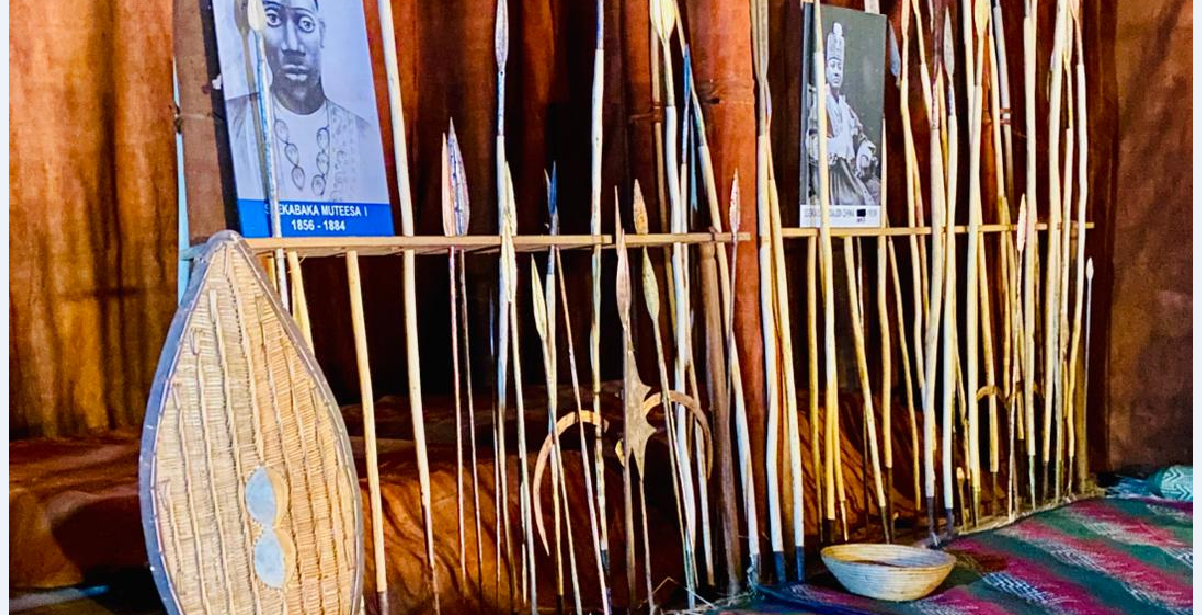
A UNESCO World Heritage Site, the Kasubi Tombs serve as the resting place for four generations of Kabakas (kings) of Buganda. Beyond its architectural significance, the site embodies Ganda spiritual and cultural identity. Guided tours reveal the significance of each thatched structure, royal artifacts, and the spiritual rituals performed during coronations and memorial ceremonies. Visitors learn about the Baganda worldview where the Kabaka is both a political and spiritual symbol.
Kabaka’s Palace (Mengo Palace)
The Mengo Palace is the official residence of the reigning Kabaka, Ronald Muwenda Mutebi II, and a center of traditional governance and ceremonial activity for Buganda Kingdom. Guided tours are conducted around the palace and what you expect to see are: remains of the former king’s cars, the canon of Iddi Amin, the Royal fire place, and the royal mile that stretches from the cultural parliament of the kingdom to kabaka’s palace. and historic anecdotes of Buganda’s political evolution.
Kabaka’s Lake
The Kabaka’s Lake, an artificial lake created by Kabaka Mwanga II, reflects the engineering ingenuity and cultural vision of past kings. Walking and guided tours of the Mengo Hills and other royal hills provide panoramic views of Kampala and insight into the sacred geography of Buganda
Buganda society is organized into 56 clans, each with unique totems, oral histories, and social customs and all these described on the royal mile in form of sculptures. Guided clan tours allow visitors to learn about inheritance systems, marriage customs, and traditional dispute resolution, Understanding the clan system offers deep insight into social organization and identity among the Baganda.
Ndere cultural centre
This cultural centre is open on wedneday, Friday and Sunday. Attend cultural performances from all the 56 tribes of Uganda where dances like the Bakisimba (a fertility and celebration dance) and Muleke (a royal dance) are performed.
Experience traditional drum ensembles, which historically communicated royal decrees and played a central role in ceremonies.
Uganda national mosque [Gaddafi Mosque]
Perched atop Old Kampala Hill in Uganda’s bustling capital, the Gaddafi Mosque officially known today as the Uganda National Mosque, is a striking symbol of faith, architecture, and history. It stands as one of the largest mosques in East Africa and a prominent cultural site that draws both worshippers and visitors from around the world. The mosque also serves as a symbol of unity and cultural exchange, welcoming visitors of all backgrounds. Guided tours are offered to share insights into Islamic traditions, architectural highlights, and the history of the building itself.
Today, the mosque is one of Kampala’s top tourist attractions. Visitors often climb the minaret for sweeping views of the city’s seven hills and Lake Victoria in the distance. Dress code is modest respectful of Islamic tradition and guided tours help non-Muslim visitors understand mosque etiquette and design elements.
Buganda Parliament
The Buganda Parliament, officially called the Lukiiko, is the legislative and consultative assembly of the Kingdom of Buganda one of Uganda’s oldest and most influential traditional institutions. Rooted in centuries-old traditions and evolving through colonial rule and modern constitutional arrangements, the Lukiiko remains a central pillar of Buganda’s cultural and governance system Guided tours are conducted through the royal mile while observing the sculptures of the titms that represent the clans of Buganda kingdom.
Unlike national political parliaments, the Lukiiko does not legislate on Uganda’s national affairs but remains focused on kingdom governance, cultural affairs, and internal administration.
Namugongo martyrs shrine
Also known as the Sacred Site of Faith and Sacrifice, is nestled in Namugongo, about 15–17 km northeast of Kampala, Uganda, the Namugongo Martyrs’ Shrine stands as a powerful testament to religious conviction, courage, and the dramatic spread of Christianity in East Africa. It commemorates the Uganda Martyrs, a group of young men who were executed in the late 19th century for their refusal to denounce their Christian faith. Every June 3rd, Namugongo transforms into a sea of devotion. Hundreds of thousands of pilgrims both Ugandans and visitors from around the world congregate for the Uganda Martyrs’ Day celebrations. They come for Mass, prayer, fasting, praise, and reflection, making it one of Africa’s largest annual religious gatherings. Whether you are a pilgrim, history enthusiast, cultural explorer, or curious traveler, Namugongo Martyrs Shrine offers a meaningful and unforgettable experience. Plan your visit and be part of a story that continues to inspire generations.
Namiremebe Cathedral
Located strategically on Namirembe Hill in Kampala, Uganda, Namirembe Cathedral also known as St. Paul’s Cathedral Namirembe, is one of Uganda’s most historic and spiritually significant churches. It serves as the provincial cathedral of the Church of Uganda and is the oldest cathedral in Uganda. Namirembe Cathedral is more than a church; it is a landmark of faith, history, and heritage in Uganda. A visit here offers both spiritual enrichment and a deeper understanding of the nation’s past.
Lubaga cathedral
Also known as St. Mary’s Cathedral Rubaga, this magnificent hilltop church stands proudly in Kampala, Uganda. It is the mother church of the Catholic Church in Uganda and the seat of the Roman Catholic Archdiocese of Kampala.
Lubaga Cathedral is not just a place of worship, it is a symbol of faith, heritage, and architectural beauty in Uganda. Whether attending Mass or exploring quietly, visitors experience a deep sense of peace and reverence. A visit here enriches both the heart and the mind.
Independence monument
Standing tall in the heart of Kampala, the Independence Monument is more than just a landmark, it is a powerful symbol of Uganda’s journey to freedom and national pride. Erected to commemorate the country’s independence from British colonial rule in 1962, the monument is a must-visit destination for travelers, history enthusiasts, and patriots alike. Visiting the Independence Monument is not just sightseeing, it’s stepping into Uganda’s history, celebrating its achievements, and connecting with the pride of a nation. Add this iconic landmark to your Uganda itinerary for an inspiring and memorable experience.
What to do in Kampala?
Bark Cloth and Textile Workshops
Participate in hands-on workshops learning how the Baganda process bark cloth, historically reserved for royalty and ceremonial use. Learn about natural dyeing techniques and patterns symbolic of status, clan, and ceremonial significance. Visit local artisans to see traditional Ganda jewelry, royal scepters, and carved stools. Gain insight into the symbolism of patterns, materials, and ceremonial functions in Baganda society.
Culinary experiences
Join local families or culinary workshops to prepare meals using traditional methods, learning the significance of each dish within Buganda society. Matooke (steamed green bananas) a staple of Ganda cuisine, often prepared in banana leaves. Luwombo -meat or vegetables steamed in banana leaves with groundnut or tomato sauce. Rolex -chapati filled with eggs and vegetables, a modern street food adaptation with deep cultural roots.
Owino Market (St. Balikuddembe Market)
Explore one of Kampala’s largest traditional markets to purchase crafts textiles, and locally produced goods. Observe traditional bargaining, the social role of market elders, and the trade of cultural artifacts.
Visit art studios and craft cooperatives showcasing Ganda wood carvings, beadwork, and basketry. Participate in workshops led by master artisans, offering hands-on engagement with centuries-old techniques.
Convenient time to visit Kampala
Kampala is convenient all year round but mostly June–September or December–February are the best months when ceremonial and outdoor events are most active. Kampala is not only a modern African city but also a living repository of centuries-old Ganda traditions, offering travelers a rare opportunity to witness a vibrant culture that continues to shape Uganda’s identity. Kindly book with Ganda Cultural Expeditions to have the best of Kampala.


![The Ultimate guide to Uganda’s street food scene [A taste of Kampala]](https://gandaculturalexpeditions.com/wp-content/uploads/2026/03/The-Ultimate-guide-to-Ugandas-street-food-scene-A-taste-of-Kampala.png)