
Administration and leadership of the Buganda Kingdom
The Buganda Kingdom stands as one of Africa’s most enduring and structured traditional monarchies. Rooted in centuries of history and cultural identity, Buganda has developed a sophisticated system of administration and leadership that continues to function alongside modern state governance in Uganda.
Far from being merely symbolic, the kingdom maintains an organized administrative framework that promotes cultural preservation, social development, and unity among the Baganda people. Its leadership model reflects a careful balance between tradition and contemporary governance principles.
The Kabaka: supreme cultural leader
At the apex of Buganda’s leadership structure is the Kabaka (King), who serves as the cultural head and unifying symbol of the kingdom. The current monarch, Ronald Muwenda Mutebi II, ascended to the throne on 31st July 1993 following the restoration of traditional kingdoms in Uganda by H.E YK Museveni, the current president of Uganda.
The Kabaka’s authority today is cultural rather than political, operating within Uganda’s constitutional framework. However, his role remains profoundly influential. He embodies the heritage, identity, and aspirations of the Baganda people. As custodian of tradition, he presides over major cultural ceremonies, promotes moral leadership, and champions social causes such as health awareness, education, youth empowerment, and environmental conservation.
Through initiatives like community outreach programs and annual cultural events, the Kabaka fosters unity and reinforces the kingdom’s relevance in modern society.
The Katikkiro: chief executive of the Kingdom
Supporting the Kabaka is the Katikkiro, the kingdom’s Prime Minister and chief administrative officer. The Katikkiro oversees the day-to-day governance of Buganda, ensuring that policies and programs align with the kingdom’s objectives.
The office of the Katikkiro coordinates various ministries and departments responsible for finance, culture, information, education, local government, and community mobilization. This structure mirrors contemporary governmental systems while maintaining traditional foundations.
The Katikkiro also acts as the principal link between the Kabaka and the Lukiiko (parliament), translating royal directives into practical action plans.
What are the roles of Buganda’s traditional parliament? [The Lukiiko]
A cornerstone of Buganda’s governance is the Lukiiko, the kingdom’s legislative and advisory body. Historically, the Lukiiko played a critical role in advising the Kabaka and shaping policy decisions. Today, it continues to serve as a forum for consultation, debate, and representation.
The Lukiiko comprises representatives from counties (amasaza), clan leaders, and other appointed members. It deliberates on matters concerning cultural affairs, administrative policy, budgeting, and community development.
This participatory system reflects Buganda’s longstanding tradition of consultative leadership. Decisions are not made in isolation but are discussed collectively, reinforcing accountability and inclusiveness within the kingdom’s governance framework.
Administrative divisions: counties and local leadership
Buganda’s administrative structure extends across several counties, known as amasaza. Each county is headed by appointed leaders who oversee local governance, cultural mobilization, and development activities within their jurisdictions.
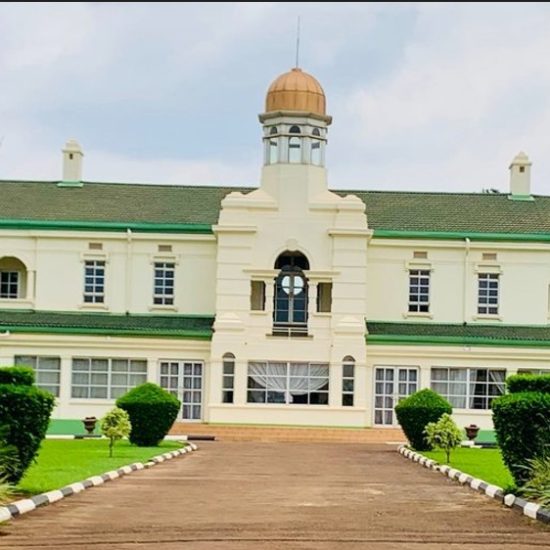
These county leaders report to the central administration based at Mengo Palace in Kampala, the traditional seat of the Kabaka. From Mengo, directives and programs are coordinated to ensure consistency across the kingdom.
This decentralized approach allows governance to reach grassroots communities. Local leaders work closely with village heads and clan authorities to maintain cultural order, resolve disputes, and mobilize citizens for kingdom initiatives.
The clan system of Buganda Kingdom
An essential pillar of Buganda’s governance is its clan system. The kingdom is composed of more than 50 clans, each with distinct totems, responsibilities, and cultural roles. Clans serve as custodians of tradition and social identity. They play important roles in conflict resolution, marriage customs, funeral rites, and ceremonial functions. Clan leaders contribute to the kingdom’s administrative structure by ensuring that cultural values are upheld at community levels.
Modern governance and development initiatives
Although rooted in tradition, Buganda’s administration actively engages in modern development efforts. The kingdom promotes programs in: Public health awareness, Environmental protection, Youth empowerment, Cultural tourism, Education initiatives Events such as the Kabaka’s Birthday Run raise awareness about pressing health issues while mobilizing thousands of participants. The kingdom also supports agricultural campaigns aimed at improving household income and food security.
Through partnerships with private institutions and community organizations, Buganda demonstrates how traditional institutions can meaningfully contribute to contemporary development goals
What is the relationship between Buganda parliament and the National Government?
The Buganda Kingdom operates within Uganda’s constitutional framework. While it does not exercise political authority over state governance, it plays a significant cultural and social role. This coexistence illustrates how traditional leadership can function harmoniously alongside modern democratic institutions. Buganda’s administrative structure respects national sovereignty while preserving its historical identity and cultural autonomy.
How is power distributed within Buganda government?
The administration and leadership of the Buganda Kingdom represent a remarkable continuity of African indigenous governance. Its structured hierarchy — from the Kabaka to the Katikkiro, the Lukiiko, county leaders, and clan authorities, reflects discipline, organization, and adaptability.
For cultural observers, historians, and website readers seeking insight into Africa’s traditional institutions, Buganda offers a compelling example of leadership grounded in heritage yet responsive to contemporary realities. In conclusion. The Buganda parliament remains an important place for Baganda people and open to the public and tourism. It is one of the tourism destinations within Kampala that shouldn’t miss on traveler’s itinerary. Kindly book with Ganda cultural expeditions.