What makes the Mengo palace a must tourist destination?
Rising gracefully on Mengo Hill in the heart of Kampala, Mengo Palace stands as one of Uganda’s most treasured cultural landmarks. More than just an architectural marvel, it is the spiritual and political heart of the Kingdom of Buganda, a place where centuries of tradition, resilience, and royal pride converge. For visitors seeking to understand Uganda beyond its wildlife safaris and scenic landscapes, Mengo Palace offers an unforgettable journey into the soul of the nation’s most influential kingdom.
The official residence of the Kabaka
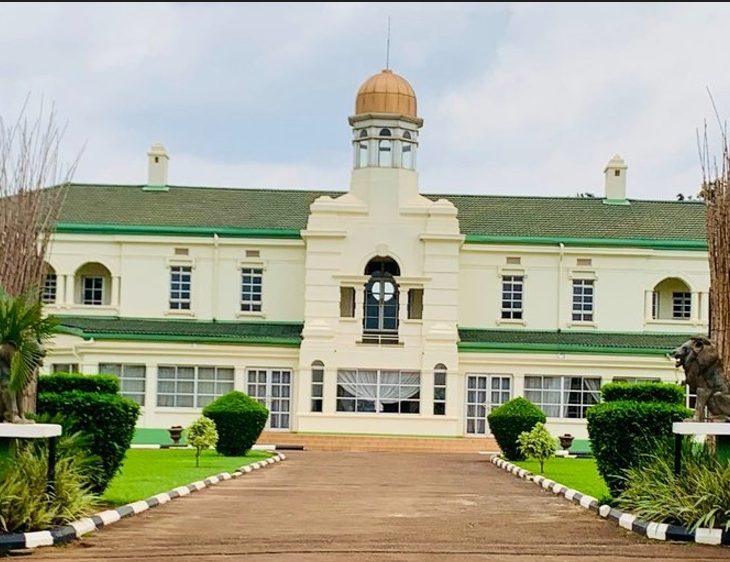
Mengo Palace, locally known as Lubiri, has served as the official residence of the Kabaka (King) of Buganda since 1885. The current palace structure was built in 1922 during the reign of Kabaka Daudi Chwa II, replacing earlier traditional structures. Today, it remains the official residence of the reigning monarch, Ronald Muwenda Mutebi II, who restored the palace to its rightful cultural prominence after decades of political turmoil.
The palace grounds stretch about 260 acres of land, surrounded by a perimeter wall that was built in 1955. The palace has four gates but the main gate is the wankaaki that runs through the royal mile from the kingdom’s parliament.
What are the political significance of the palace to Uganda?
Mengo Palace is not just a symbol of royalty, it is a symbol of endurance. In 1966, during a period of political unrest, the palace was attacked by government forces under then-Prime Minister Milton Obote. The assault forced Kabaka Mutesa II into exile and marked a turbulent chapter in Uganda’s history.
Later, under the regime of Idi Amin, the palace grounds were used for military purposes. The most haunting reminder of this period is the underground torture chambers, which visitors can tour today. These chambers serve as a sobering memorial to those who suffered during the dictatorship. Walking through them is a powerful experience, one that underscores the resilience of Buganda’s monarchy and the Ugandan people. When traditional kingdoms were restored in 1993, Mengo Palace once again became the vibrant royal seat of Buganda. The restoration marked a renaissance of cultural pride that continues to thrive today,
What are the the cultural significance of the palace to Buganda?
To truly appreciate Mengo Palace, one must understand the significance of the Kingdom of Buganda itself. Buganda is the largest traditional kingdom in Uganda and has played a central role in shaping the country’s history. The Kabaka is not merely a ceremonial figure; he is a cultural unifier and custodian of centuries-old traditions.
The palace remains the epicenter of important events such as royal weddings, clan meetings, cultural celebrations, and state visits. It is here that ancient customs blend seamlessly with modern governance structures, demonstrating how tradition can evolve while preserving its core identity.
Does the tour to Mengo palace offers an educational experience?
A visit to Mengo Palace is deeply educational. Guides explain the hierarchy of the Buganda Kingdom, the role of clan leaders, and the significance of traditional symbols such as the royal drums — which are considered sacred and are only played during specific ceremonial occasions.
The tour of the torture chambers offers historical context about Uganda’s post-independence struggles. Though emotional, it provides critical insight into the country’s journey toward stability and reconciliation. For many visitors, this portion of the tour becomes one of the most impactful parts of their trip. Photography is restricted only inside the palace house to preserve the dignity and security of the palace, but the memories and stories visitors take home are vivid and lasting.
Visitors are guided through carefully curated sections of the estate, where knowledgeable guides share stories of past Kabakas, clan systems, and the intricate governance structure of the Buganda Kingdom. Every structure, tree, and pathway holds meaning within Buganda’s rich cultural framework.
Why visit Mengo Palace?
Mengo Palace offers something rare: authenticity. In an era when many historical sites are heavily commercialized, this royal residence remains a functioning seat of cultural leadership. It is not a relic frozen in time; it is alive with meaning.
For cultural travelers, history enthusiasts, and anyone seeking a deeper understanding of Uganda, Mengo Palace provides: A firsthand look at Africa’s living monarchies, insight into Uganda’s political history, a chance to explore sacred cultural traditions, a powerful memorial to resilience and restoration, beautiful panoramic views of Kampala from Mengo Hill.
Its location in the capital city makes it easily accessible, yet once inside the palace grounds, the noise of urban life fades into quiet reflection.
The torture chambers of iddi Amin
When Idi Amin seized power in 1971 through a military coup, the palace grounds were taken over by the army. The once-revered royal site was converted into a military barracks and detention center. Beneath one of the palace buildings, underground chambers originally constructed by the Israelis as armories were transformed into torture cells, places where fear, silence, and suffering replaced the dignity that once defined the space.
Inside the Chambers
The torture chambers consist of a series of narrow concrete rooms hidden underground. Dimly lit and poorly ventilated, the rooms were designed to isolate and dehumanize detainees. Heavy steel doors sealed prisoners inside, often in complete darkness. Survivor testimonies and historical investigations reveal the methods used within these walls. Prisoners many accused of opposing the regime, belonging to rival ethnic groups, or simply suspected without evidence were subjected to beatings, electric shocks, starvation, and psychological torture. In some accounts, water was deliberately poured onto the floors before electricity was introduced, turning the entire room into a lethal trap.
The cells were overcrowded, sometimes holding dozens of detainees in spaces meant for far fewer. Many prisoners never emerged alive. Historians estimate that during Amin’s eight-year rule, between 100,000 and 300,000 Ugandans were killed, though exact figures remain debated.
Is the Mengo palace open to tourists?
Mengo Palace is open to visitors on guided tours, and it is advisable to go with an official guide to fully appreciate the depth of history embedded within the site. The site also has site guides who are stationed at the palace grounds and very knowledgeable. Tours typically last about one to two hours and are conducted in English and local languages. The site opens from 8am to 5pm and the tickets are acquired from the ticket office at the site.
What is the best time to visit Mengo palace?
The best time to visit is during the dry seasons when the palace grounds are at their most scenic. Visitors are encouraged to dress respectfully, as this is an active royal residence and sacred cultural site. The female visitors in trousers are normally provided with rappers so they can blend in the culture of the kingdom. Planning a visit to Mengo Palace with other cultural landmarks in Kampala allows travelers to experience the broader narrative of Uganda’s past and present.
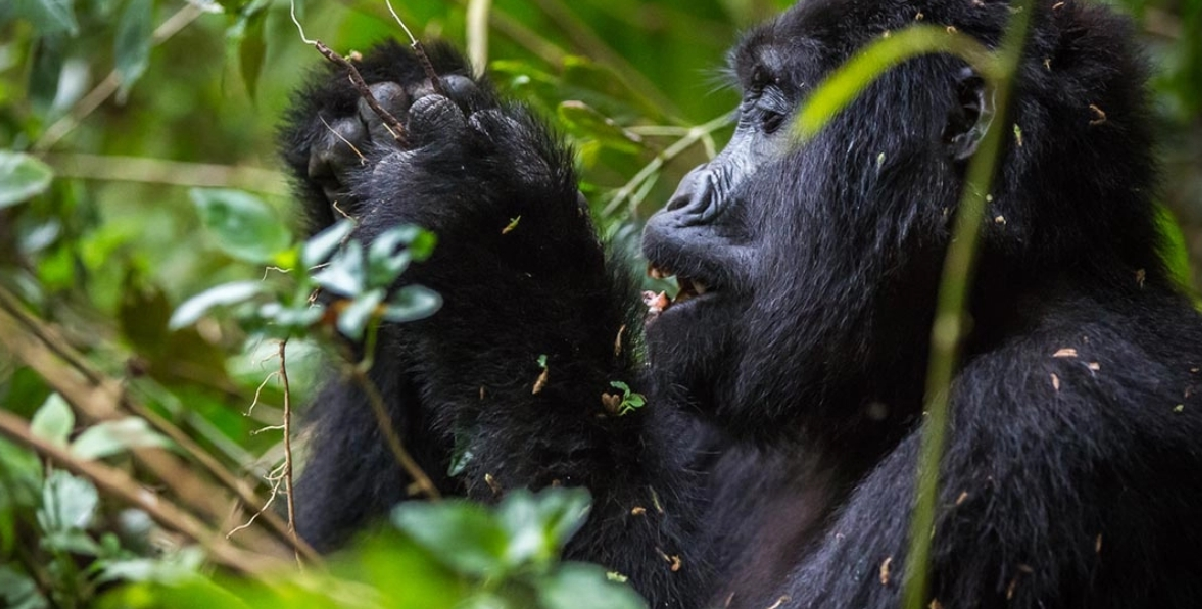
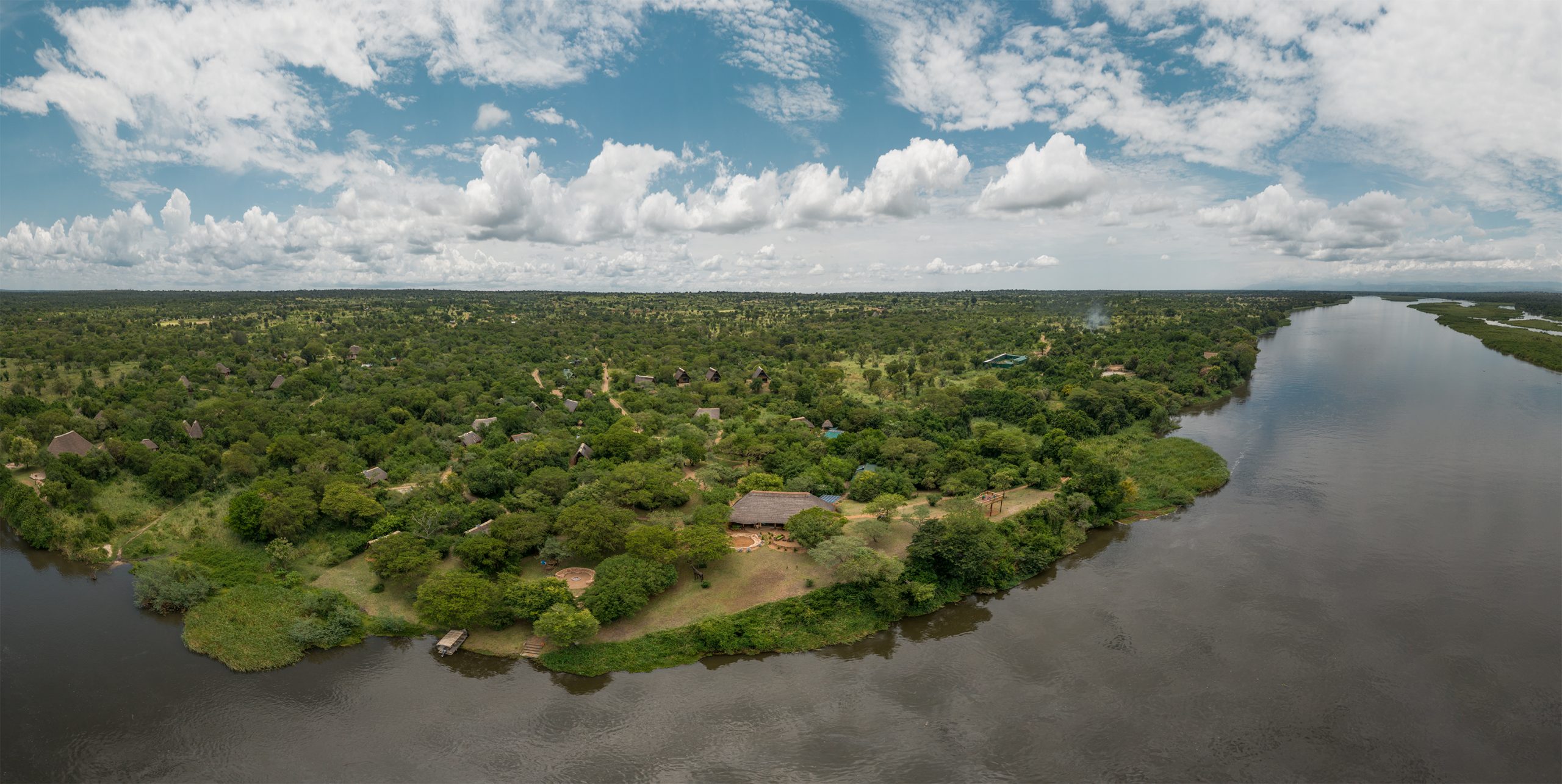
In a country celebrated for its natural beauty, from mountain gorillas to the Nile River, Mengo Palace stands out as a cultural treasure. It tells the story of kings and kingdoms, of exile and return, of loss and revival. Above all, Mengo Palace is a testament to the enduring spirit of the Buganda Kingdom. It invites visitors not just to observe history, but to feel it, to walk the same grounds where Kabakas have stood, where traditions have been preserved, and where Uganda’s cultural heartbeat continues to thrive.
For anyone visiting Kampala, Mengo Palace is not merely a stop on an itinerary. It is an experience and a journey into the living legacy of royalty in Africa. Dear travelers, you can always book through a trusted tour operator and Ganda cultural expeditions is readily available to take you through Uganda’s cultural landmarks.