
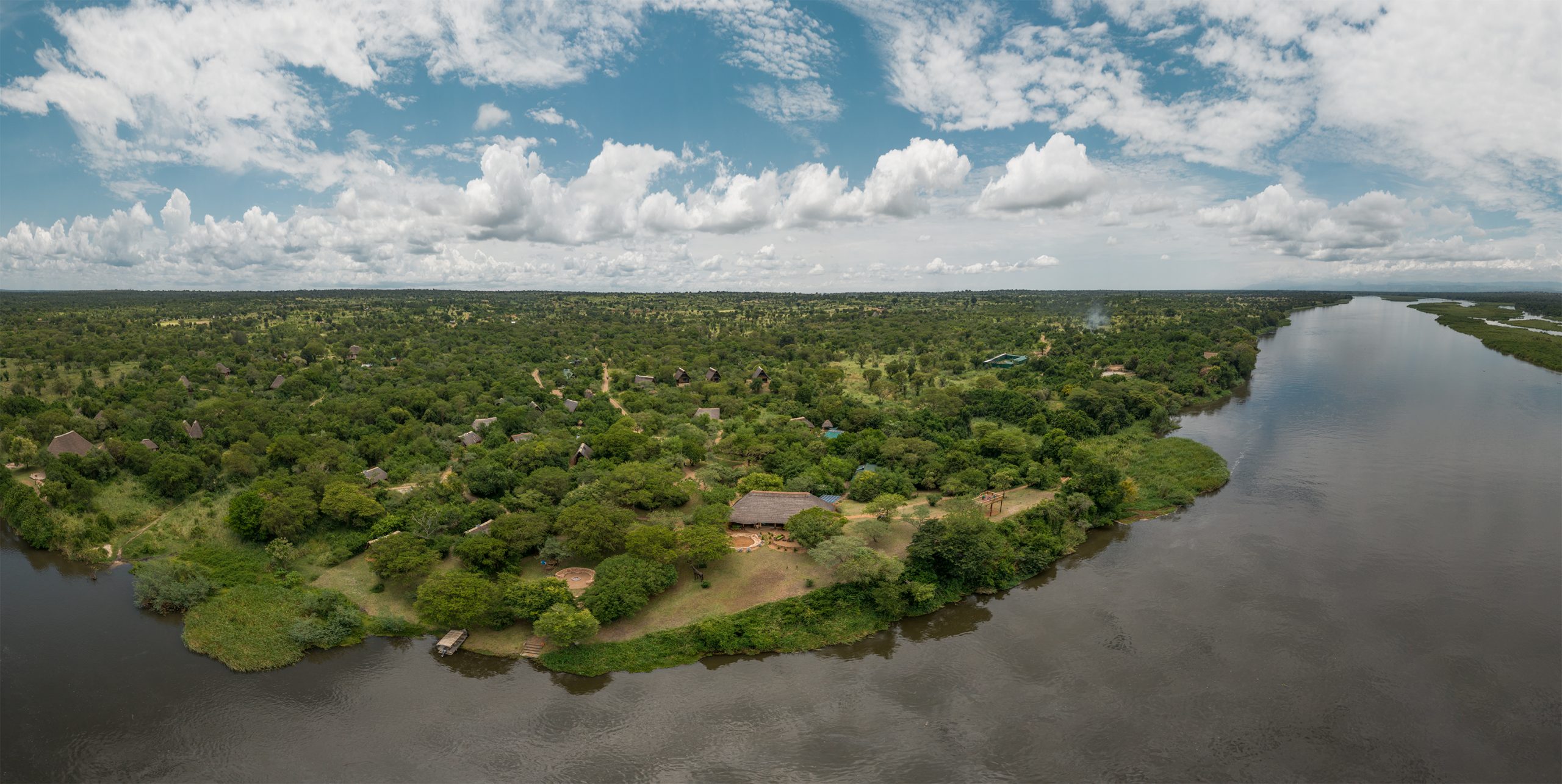

Cultural encounters in western Uganda
Western Uganda is a region of breathtaking landscapes—but beyond the rolling hills and lush forests lies a vibrant cultural experience waiting to be discovered. From ancient kingdoms to indigenous communities, this part of Uganda offers travelers a chance to connect deeply with people, traditions, and stories.
Why visit western Uganda for cultural experiences?
Western Uganda stands out as a cultural hub because of its diversity. The region is home to several ethnic groups, each with its own traditions, language, and way of life. Unlike typical tourist destinations, cultural tourism here is immersive and personal.
Discover the batwa culture near Bwindi Impenetrable forest
No cultural journey in western Uganda would be complete without visiting the Batwa community near Bwindi Impenetrable Forest. The Batwa, often referred to as the “keepers of the forest,” have a unique history as hunter-gatherers who once lived within the forest. Walking with Batwa guides, travelers learn about their traditional hunting techniques, medicinal plants, and spiritual beliefs tied to the forest.
Their songs and dances, performed around a small fire, carried a powerful sense of identity and resilience despite the challenges they have faced. This experience is both educational and deeply moving, providing insight into resilience and cultural preservation.
Fishing communities near Queen Elizabeth National Park
The shores of Lake George and Lake Edward are dotted with small fishing villages where daily life revolves around the catch. These lakes, connected by the Kazinga Channel, are rich in fish and sustain thousands of families.
Arriving in one of these communities feels like stepping into a different world. Wooden boats line the shore, fishing nets dry in the sun, and the air carries the scent of fresh tilapia. The pace is calm yet purposeful—every action tied to the water. Fishing here begins before sunrise. As the first light touches the water, fishermen push their narrow wooden canoes into the lake, paddling into the mist.
Visitors who wake early enough can join in or observe: Casting nets using traditional techniques, navigating the lake without modern equipment and sorting and preparing the morning’s catch. The experience is not just about fishing—it’s about understanding resilience, patience, and skill passed down through generations. For those looking to go beyond observation, some communities offer guided fishing experiences. These allow travelers to actively participate in local life.
Best time to visit western Uganda
Western Uganda can be visited year-round, though certain months seem to be better than others. Therefore, the best time for cultural travel is during the dry season. The dry season, which runs from June to September and December to February, is always the best time to visit the western Uganda because of the clear weather and minimal rainfall.
During these months, roads are more accessible, and community visits are easier to arrange. During the rainy season, which runs from March to May and October to November, western Uganda is also accessible. However, because of the intense rainfall during these months, the roadways may become muddy, wet, and treacherous.
Why western Uganda should be on your travel list
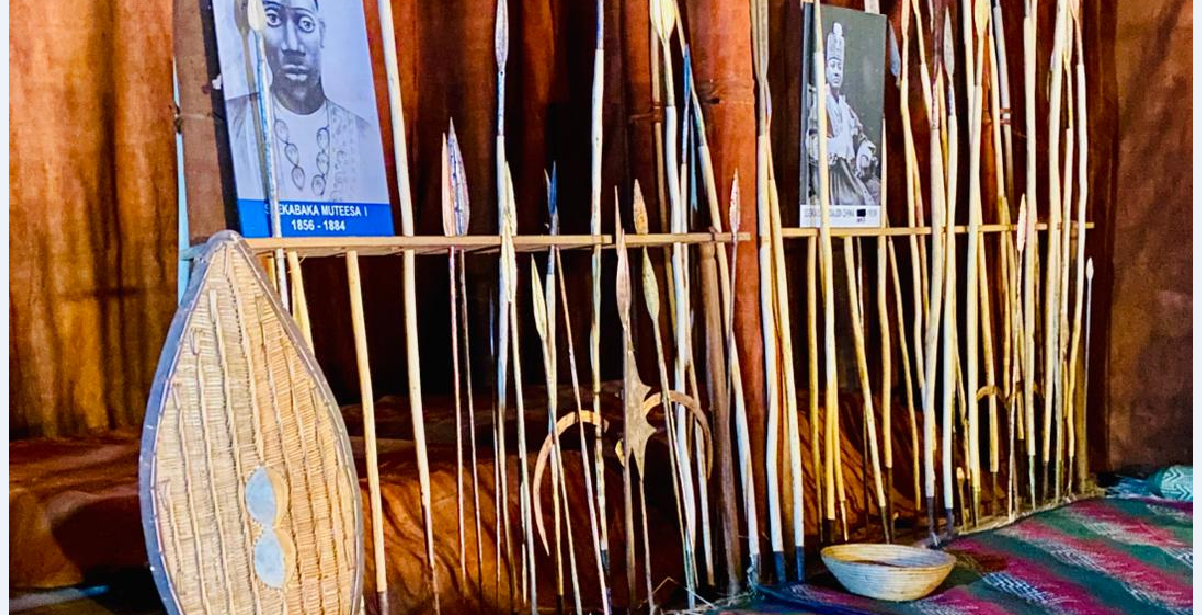
Western Uganda is more than a destination, t’s a journey into culture, identity, and human connection. The region offers something rare: the opportunity to go beyond sightseeing and truly engage with the people who call it home. Whether you’re exploring royal traditions in Fort Portal, sharing meals in rural villages, or learning from the Batwa, every moment becomes a story worth telling. If you’re searching for an authentic cultural travel experience in Africa, western Uganda is a place that will stay with you long after you leave.
Western Uganda is more than a destination, it’s an experience shaped by its people. For travelers seeking more than sightseeing, it offers an opportunity to connect, learn, and reflect. In a world that often moves too fast, the cultural encounters here remind us of the beauty of slowing down and truly engaging with the places we visit. Have a planned visit with Ganda Cultural Expeditions.

![The Ultimate guide to Uganda’s street food scene [A taste of Kampala]](https://gandaculturalexpeditions.com/wp-content/uploads/2026/03/The-Ultimate-guide-to-Ugandas-street-food-scene-A-taste-of-Kampala.png)