Why Uganda Is One of the World’s Most Underrated Cultural Destinations?
When people think of cultural travel in Africa, countries like Morocco, Egypt, or South Africa often dominate the conversation. Yet quietly, without the same global spotlight, Uganda offers one of the richest and most authentic cultural experiences on the continent. Often referred to as the “Pearl of Africa,” Uganda is not just a destination for wildlife and landscapes, it is a living museum of traditions, kingdoms, languages, and communities.
Despite its immense cultural wealth, Uganda remains one of the most underrated travel destinations in the world. For those willing to look beyond the usual routes, it offers something increasingly rare: genuine human connection and deeply rooted heritage.
A remarkable cultural diversity
One of Uganda’s greatest strengths lies in its diversity. The country is home to over 50 ethnic groups, each with its own language, customs, and traditions. This diversity creates a cultural mosaic that is both complex and fascinating.
From the pastoral traditions of the Banyankole in the west to the vibrant Baganda culture in central Uganda, every region tells a different story. Travelers are not limited to a single cultural narrative—instead, they experience a dynamic blend of identities that coexist within one nation. Unlike more commercialized destinations, Uganda’s cultures are not packaged for tourism. They are lived daily, expressed through music, dance, food, and community life.
The legacy of ancient kingdoms
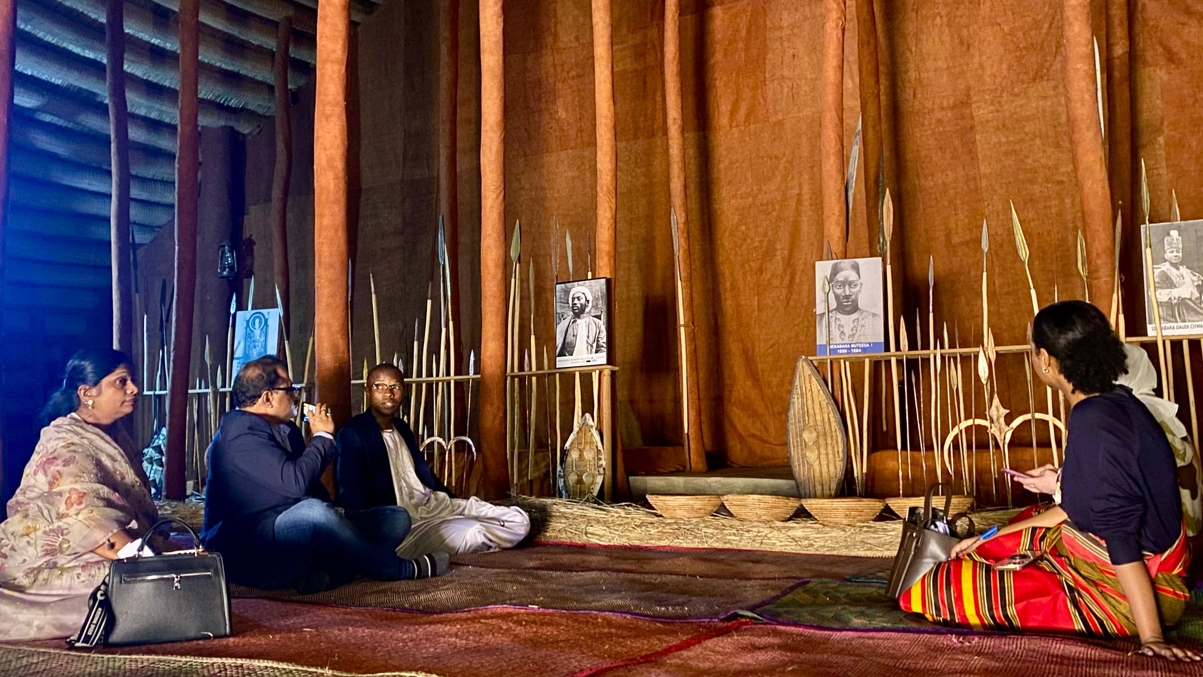
Uganda’s cultural depth is also rooted in its long history of kingdoms and traditional leadership systems, many of which still exist today. The Buganda Kingdom, the largest and most influential, continues to play a significant cultural role, with its king (Kabaka) serving as a unifying figure. Similarly, the Tooro Kingdom in western Uganda offers insight into royal traditions that have been preserved for generations.
Visiting sites such as palaces, royal tombs, and cultural centers allows travelers to step into a living history. These are not relics of the past—they are active institutions that continue to shape identity and community life.
Authentic cultural experiences, not performances
In many parts of the world, cultural tourism can feel staged or commercialized. Uganda stands apart because of its authenticity. In rural villages, visitors can participate in everyday life: Preparing traditional meals like matooke, learning farming techniques passed down through generations, listening to oral storytelling traditions, joining in community dances and celebrations
These experiences are not designed solely for tourists—they are shared moments of real life. This authenticity creates deeper, more meaningful travel experiences that resonate long after the journey ends.
Indigenous communities and living heritage
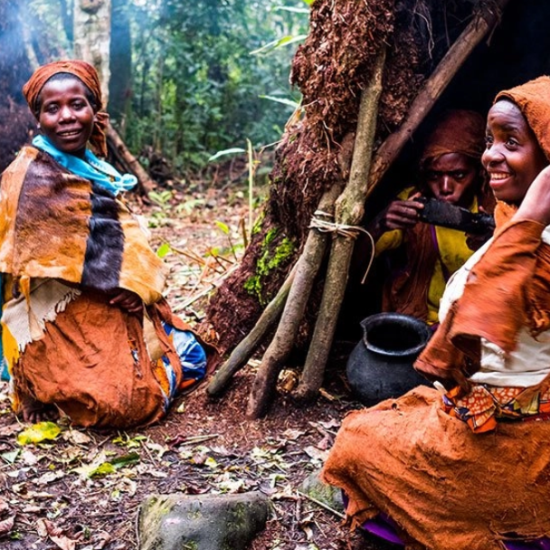
Uganda is also home to indigenous groups whose cultures offer rare insights into ancient ways of life. Among them are the Batwa people, traditionally forest dwellers who lived in harmony with nature for centuries. Near Bwindi Impenetrable National Park, visitors can learn about Batwa traditions, including hunting techniques, medicinal plant knowledge, and spiritual beliefs tied to the forest.
While their history includes displacement and hardship, cultural tourism initiatives now provide opportunities for the Batwa to preserve and share their heritage. For travelers, this is a powerful and educational experience that goes beyond surface-level tourism.
The role of Music, dance, and storytelling
Culture in Uganda is not static, it is vibrant, expressive, and deeply communal. Music and dance are central to daily life and are often used to mark important events such as births, marriages, and harvests. Each region has its own traditional dances and instruments, from energetic drumming performances to rhythmic storytelling dances. These performances are not just entertainment; they are a way of preserving history and passing knowledge from one generation to the next.
Storytelling, in particular, remains a vital tradition. Elders share folktales that teach moral lessons, explain natural phenomena, and preserve community values. For visitors, these stories provide a window into how Ugandans understand the world.
Cultural encounters in natural settings
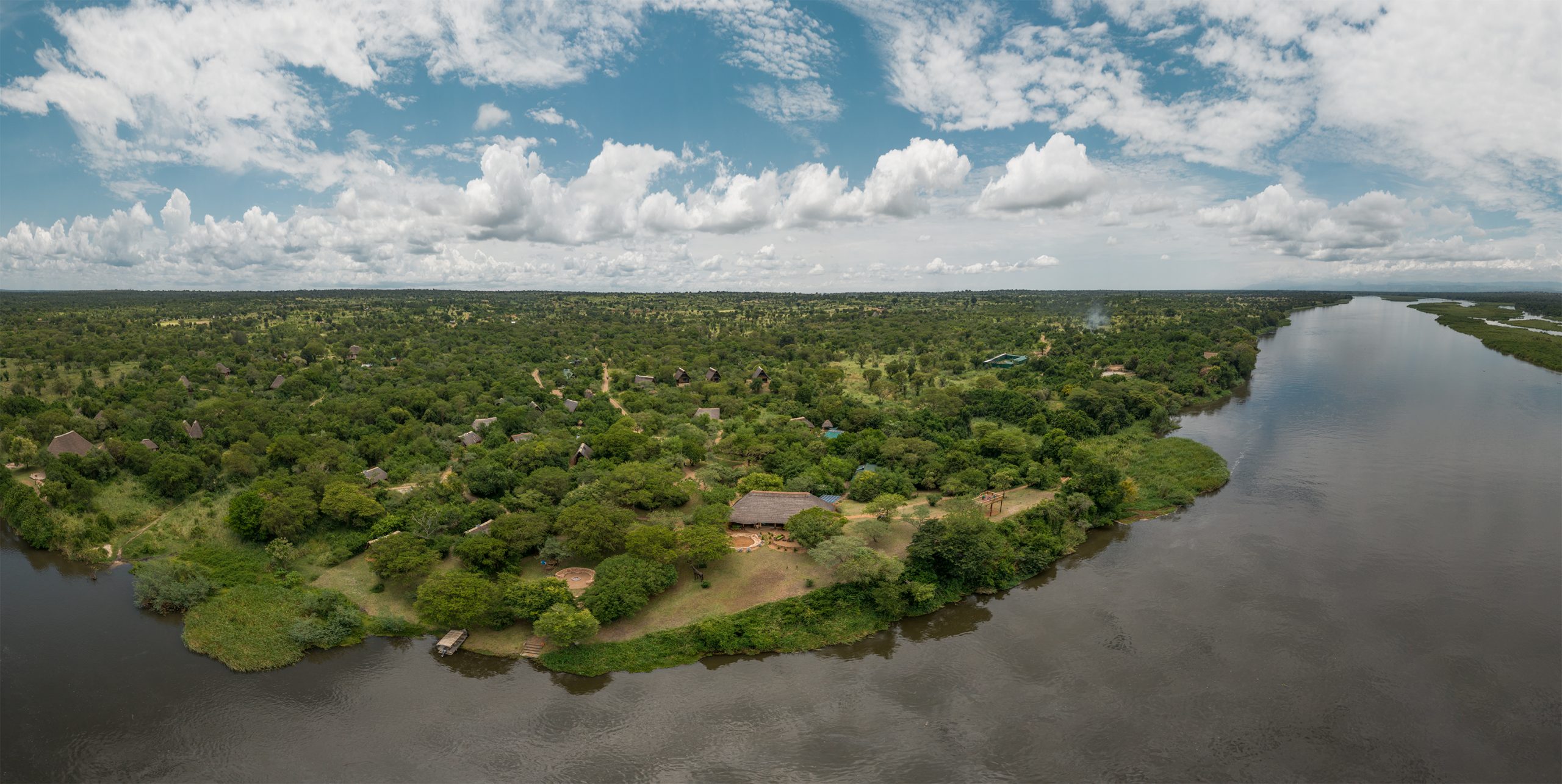
What makes Uganda especially unique is how seamlessly culture and nature are intertwined. Cultural experiences often take place in some of the most stunning landscapes in Africa. In Queen Elizabeth National Park, for example, travelers can interact with fishing communities along Lake George and Lake Edward, where daily life revolves around the water.
In western Uganda, visits to crater lake regions combine scenic beauty with cultural immersion in local communities. This blending of environment and culture creates a holistic travel experience that few destinations can match.
Warm hospitality and human connection
Perhaps the most defining aspect of cultural travel in Uganda is its people. Ugandans are widely known for their warmth, friendliness, and openness. Visitors are often welcomed not as outsiders, but as guests. Whether sharing a meal, participating in daily activities, or simply exchanging stories, these interactions create genuine connections.
In a world where travel can sometimes feel transactional, Uganda offers something deeply human. It reminds travelers that the most meaningful experiences are often the simplest ones.
Why Uganda remains underrated
Despite all it has to offer, Uganda remains underrepresented on the global tourism stage. There are several reasons for this: Limited international marketing compared to other destinations, misconceptions about safety or infrastructure, a stronger global focus on its wildlife rather than its culture. However, this lack of mass tourism is also part of Uganda’s appeal. It allows the country to retain its authenticity and avoid the over-commercialization seen in more popular destinations.
What is the future of cultural tourism in Uganda
As global travel trends shift toward more meaningful and responsible tourism, Uganda is well-positioned to emerge as a leading cultural destination. Community-based tourism initiatives are growing, empowering local people while preserving cultural heritage. These efforts ensure that tourism benefits communities directly and sustainably.
With increased awareness and thoughtful development, Uganda has the potential to become one of Africa’s top cultural travel destinations—without losing what makes it special.
A destination worth discovering
Uganda’s cultural richness is undeniable, yet it remains one of the world’s best-kept secrets. For travelers seeking authenticity, diversity, and connection, it offers an experience that goes far beyond traditional tourism.
From ancient kingdoms and indigenous communities to music, storytelling, and everyday life, Uganda invites you to not just observe culture but to be part of it. In a time when many destinations feel crowded and commercialized, Uganda stands out as a place where culture is still real, personal, and deeply meaningful. It may be underrated, but for those who visit, it is unforgettable .Book your cultural tour today with Ganda Cultural Expeditions and immerse yourself in authentic traditions of Uganda.