EXPLORE THE BEAUTY OF LAKE MBURO NATIONAL PARK
Lake Mburo National Park is one of the smallest parks in the country, yet it is underrated due to its compact size. However, this jewel of a park has a lot to offer, including unique wildlife species, a sunset boat cruise, horseback riding, nature walks, and cultural encounters.
Unlike other Savannah parks, Lake Mburo National Park does not have animals like elephants and lions. The absence of lions has provided a wide platform for the massive rise and large growing population of various antelopes such as waterbucks, bushbucks, impalas, oribis, elands, and Bohor reedbucks. This is mainly due to the limited threats/predators to these antelopes.
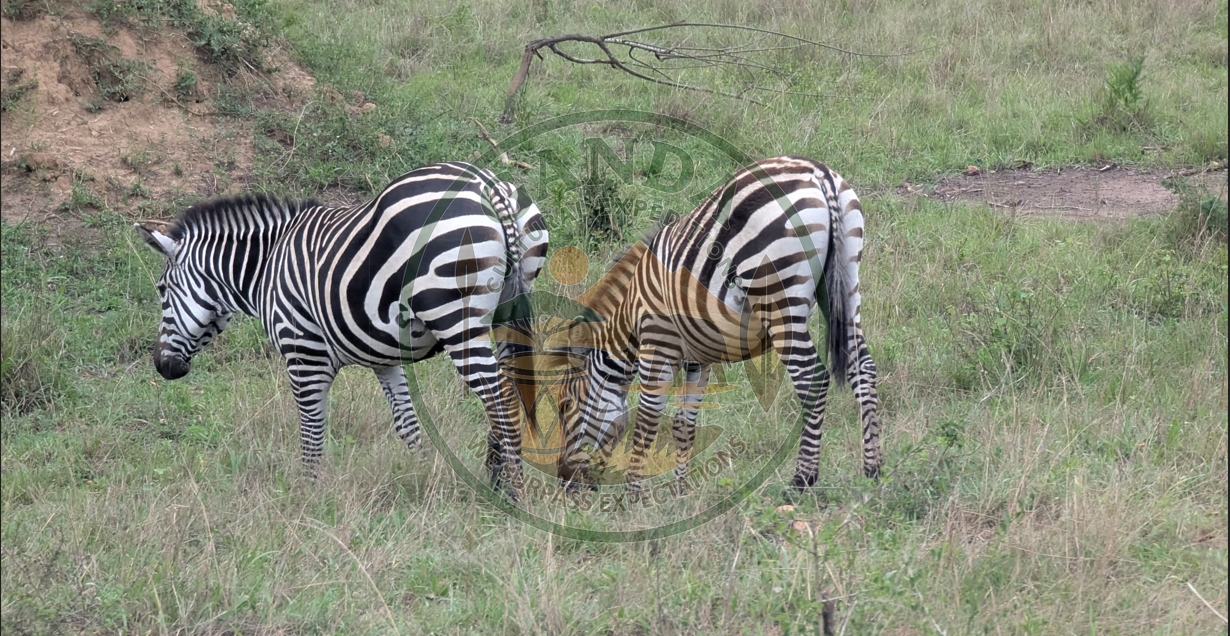
Besides antelopes, Lake Mburo National Park has registered over 68 mammal species that are readily available for you to explore, for example, zebra, Rothschild’s giraffe, buffalo, topi, leopard, and others. Being the closest national park to Entebbe and Kampala, among other national parks, the park is easy to access by both local and international tourists, which has brought it to the forefront of the most visited parks in Uganda, hence being highly recommended for.
Location
The park is found in Kiruhura District in the Western region of Uganda; the park is about 240 km away from Kampala and about 30 km away from Mbarara city, being surrounded by Isingiro District, Mbarara District, and Lyantonde District.
In 1933, the park was gazetted as a controlled hunting ground, and later in 1963, it was upgraded to the level of a game reserve. Later in 1983, the area was declared a national park by the government of Milton Obote. It is believed by the locals that it was not yet an appropriate time to be declared as a national park, but it came as a punishment from the government, which believed that the locals were not cooperative with the government in power by then.
The government of Uganda, by then, believed that the locals (Banyankore Pastoralists, commonly known as Bahima) who continued to graze their cattle and other livestock in the reserve unit were supporting the anti-Obote rebels, and the displacement of people followed the upgrade; hence, people lost their land. To make matters worse, there was no single compensation for the displacement of people. All this happened during the Operation Bonanza massacre of 300,000.
Literature indicates that the origin of this park started with a story of two brothers, one known as Kigarama and another one known as Mburo. It is said that Kigarama lived in the low-lying savannah plains, hence making the place traditionally known as Kaaro Karungi. One night, Kigarama had a dream about how the area was to receive heavy rainfall, which he shared with his brother Mburo. However, Mburo took the dream unseriously, but Kigarama continued with it, since he was too committed to whatever he could dream.
Kigarama left Kaaro Karungi village, leaving his beloved brother behind, and resettled in the nearby hill land. It is said that the dream came true, and Mburo ended up sinking in the Savannah plains, thus the name Lake Mburo. All these wonderful stories are narrated while on a visit to Lake Mburo National Park by Uganda’s experienced guides.
Where to stay while at Lake Mburo National Park:
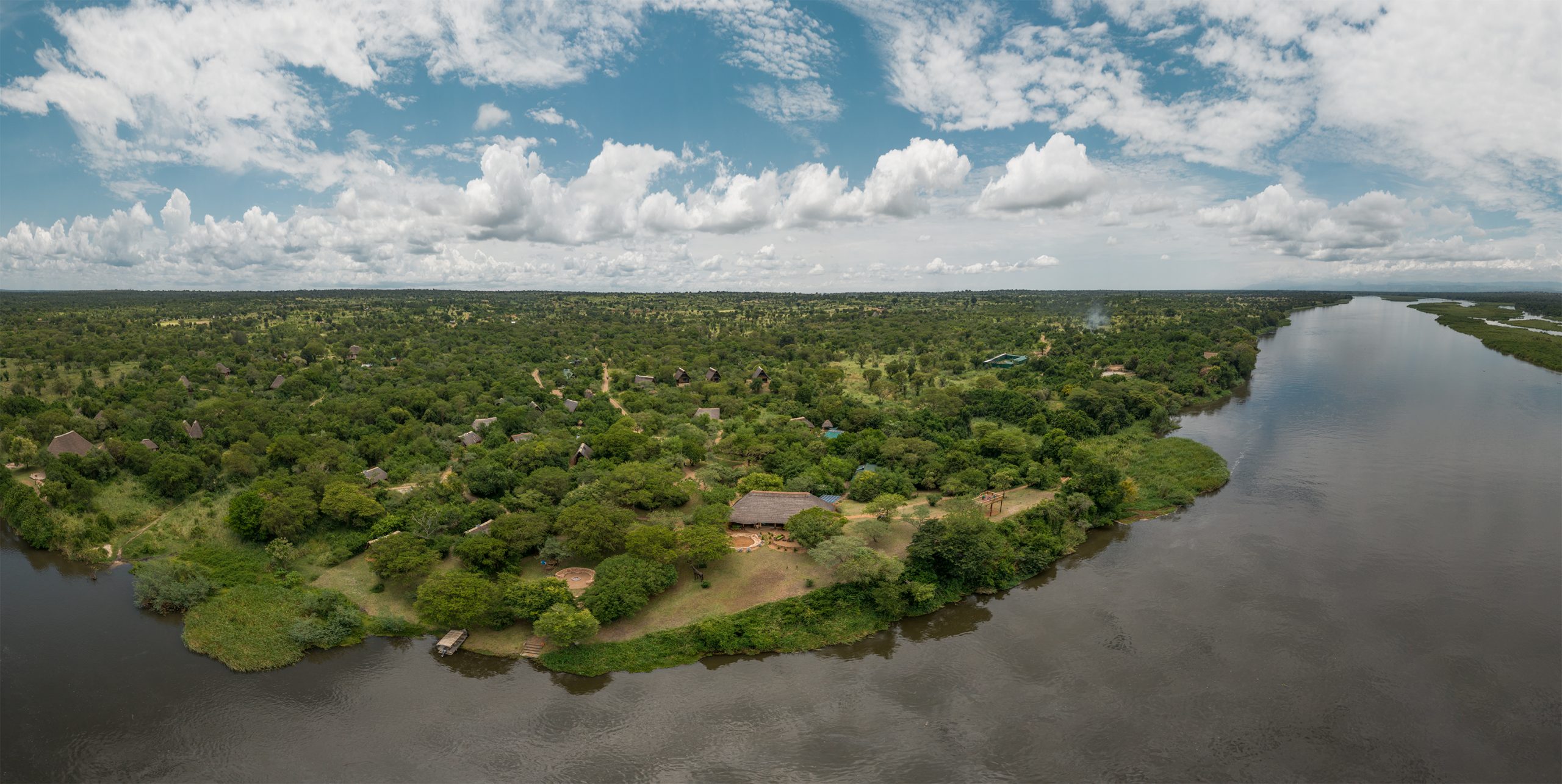
In terms of accommodation, Lake Mburo is one of the best national parks in Uganda that offers the best and most affordable accommodations ranging from luxury to mid-range to budget, meaning everyone is catered for in his/her class. Among the luxury accommodations, Lake Mburo has got lodges like Mihingo Lodge and Lake Mburo Safari Lodge, and some of the budget lodges include Rwonyo Rest Camp and Eagle Nest Lodge. Among the mid-range lodges, Lake Mburo National Park has the Rwakobo Rock lodge, Mantana tented camp, and Arcadia cottages. All these lodges offer the best service one could be looking for.
What to do in Lake Mburo National Park.
Lake Mburo National Park is equipped with numerous activities to engage in during a visit, which leaves a visitor unbored while staying in Lake Mburo National Park. Some of the attractive activities are as below.
A boat cruise.
Along Lake Mburo, a boat cruise is conducted where a tourist unlocks all the beauty in the park. This is more achievable during the dry season when most of the mammals come to drink. During the cruise, tourists are able to spot zebras, various antelopes, hippos, buffaloes, otters, and crocodiles. Not only are many mammals spotted, but also various birds like blue-headed weavers, eagles, cormorants, green-necked doves, malachite kingfishers, pelicans, herons, and elusive shoebill storks; hence, Lake Mburo is a good site for the bird enthusiast.
The lakeside track.
This activity is related to a nature walk through the established lakeside track in the southern part of Lake Mburo. This track allows tourists to watch bush duikers and marvel at the dense woodland. This track connects up to the Kigarama summit, which allows a wonderful views of Lake Mburo and the greater national park.
Fishing.
The numerous lakes and spots such as Mazinga offer opportunities for fish species such as the tilapia, Haplochromes, lungfish, mudfish, and many others. The Mazinga fishing spot is found in a safe place in Lake Mburo with no crocodiles or hippos. Tourists can take part in sport fishing and arrange for someone to help fry the fish back in their accommodation. There are shades close to the fishing points to ensure relaxation in between fishing sessions, and all these are doable after acquiring a spot fishing license.
Guided Nature Walks.
Unlike in the other parks in Uganda, nature walks can be conducted in any part of the park under the arrangement and guidance of armed guards from the Uganda Wildlife Authority. While on a nature walk, you will be able to spot various zebras, buffalo, and numerous antelope species. Butterflies and birds are also watchable during the morning walks. You’re also likely to spot hyenas moving back to their dens after the night’s hunt or hippos heading to the water source after grazing on land.
The Rubanga forest walk is also part of the activities a tourist can engage in while on a visit to Lake Mburo National Park. This is achievable by getting arrangements from the Uganda Wildlife Authority (UWA). The walk starts from the western shores of Lake Mburo. Some of the tree species to look out for in Rubanga Forest are acacia, fig trees, Markhamia, Borassus palm, and Ptycaluz, among others. Rubanga Forest is an excellent destination for birding, with over 40 bird species visible during the forest walk. Some bird species to spot out in Rubanga are the elusive shoebill stork, grey-backed camaroptera, Harrier hawk, green pigeon, and double-toothed barbet, among others.
Cultural tours/safaris.
Aside from wildlife and the key attractions of the park, the region (local community) has a lot to give in terms of cultural tours. Lake Mburo National Park is located in the Ankole sub-region, which is well known for cattle keepers and cultivators. So, whoever is interested in learning about Ankole culture, you will be taken to Igongo Cultural Centre, and a lot will be learned from their unforgettable cultural experience. Kindly book with Ganda Cultural Expeditions for an immense experience.